EU launches Sh530 million airlift to deliver life-saving aid to Darfur amid deepening Sudan crisis
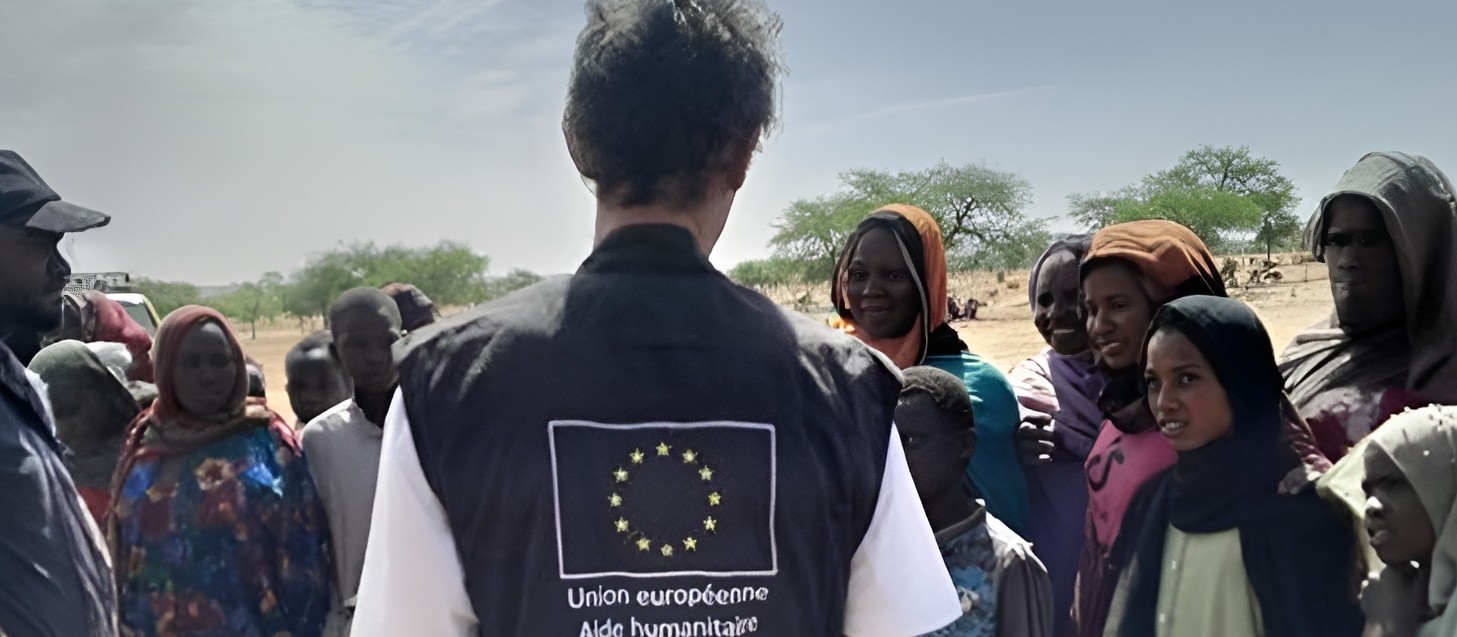
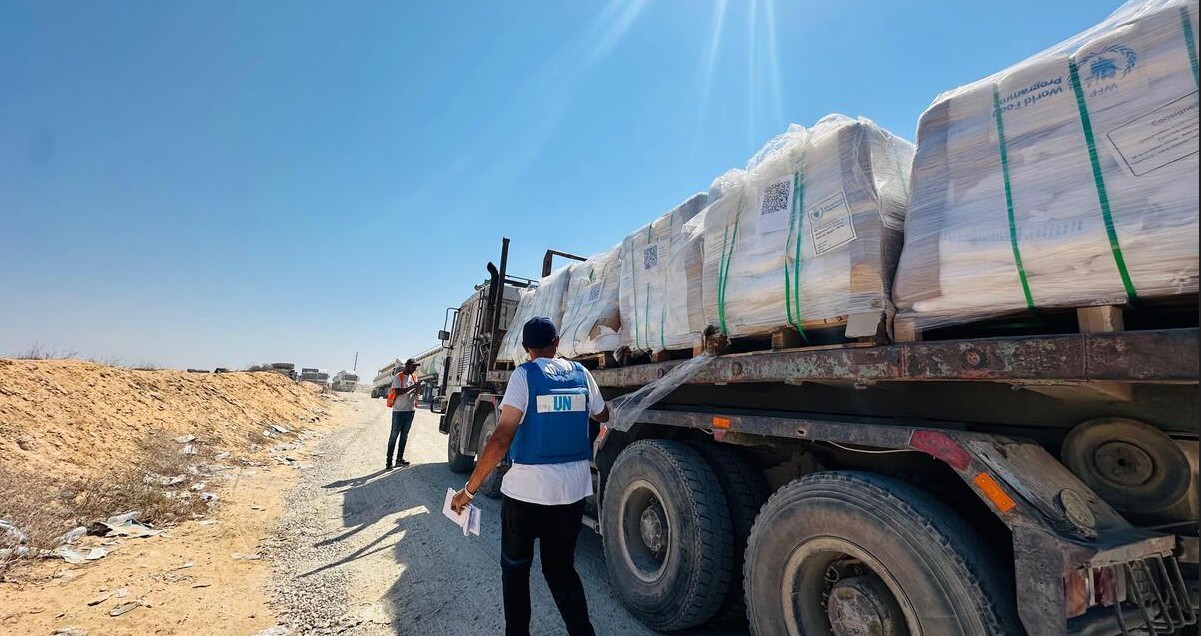
The EU has launched an eight-flight airlift worth Sh530 million to deliver 100 tonnes of life-saving aid to Sudan’s Darfur region, as conflict and restricted access leave millions at risk.
The European Union (EU) has launched an airlift to deliver life-saving aid to Sudan’s Darfur region, with eight flights scheduled over the coming weeks to assist millions affected by conflict, starvation and displacement.
The initiative, valued at €3.5 million (Sh530.3 million), is designed to reach areas where humanitarian access has been severely restricted.
More To Read
- How Sudan’s conflict is driving millions into hunger, disrupting education
- UN Secretary-General condemns ‘horrific’ drone strike on peacekeepers in Sudan
- Nine dead, 17 injured in RSF drone strike on Sudan’s Dilling military hospital
- South Sudan deploys forces to secure Heglig oil field after Sudan RSF capture
- US sanctions network accused of recruiting Colombians to fight for Sudan’s RSF
- Sudan’s RSF seizes Heglig oilfield in major strategic blow to army amid escalating conflict
According to the EU’s European Civil Protection and Humanitarian Aid Operations agency, the first flight departed on December 12 and delivered about 100 tonnes of emergency supplies drawn from EU humanitarian stockpiles and partner organisations.
“Further flights will continue throughout December 2025 and January 2026,” the EU statement reads.
The airlift forms part of the EU’s wider humanitarian response in Sudan, under which the bloc has provided more than €270 million (Sh40.9 billion) in aid in 2025 alone, making it one of the largest contributors to the country’s crisis response.
The effort aims to ensure critical assistance reaches the most vulnerable populations, particularly in regions that are otherwise almost impossible for aid organisations to access safely.
According to the EU, the humanitarian crisis in Darfur has deteriorated sharply since the fall of El Fasher, the capital of North Darfur, to the Rapid Support Forces (RSF) in late October.
El Fasher came under RSF control after an 18-month siege during which residents were largely cut off from food, medical care and other essential supplies. The prolonged fighting forced more than 100,000 people to flee, many of whom sought refuge in the nearby town of Tawila, now at the centre of the region’s deepening humanitarian crisis.
Those who escaped reported mass killings and widespread sexual violence, with women and girls particularly targeted, as the RSF advanced through the city.
“The loss of the city marked a major escalation of an already catastrophic humanitarian situation, and further restricted aid access,” the regional body said.
Following the RSF takeover of El Fasher, fighting has shifted eastwards into the Kordofan region as the paramilitary group and its allies seek to secure Sudan’s central corridor. Their current focus is on Kadugli, the capital of South Kordofan; Dilling in the same state; and El Obeid, the capital of North Kordofan.
UN Human Rights Chief Volker Türk has warned that the Kordofan region faces a high risk of suffering atrocities similar to those seen in El Fasher.
“It is truly shocking to see history repeating itself in Kordofan so soon after the horrific events in El Fasher,” he said in a recent statement.
“We cannot remain silent in front of yet another man-made catastrophe. This fighting must end immediately, and life-saving aid is allowed to reach those who face starvation.”
Top Stories Today